Gokarna · Uttara Kannada

A purohit who explains every step before it begins

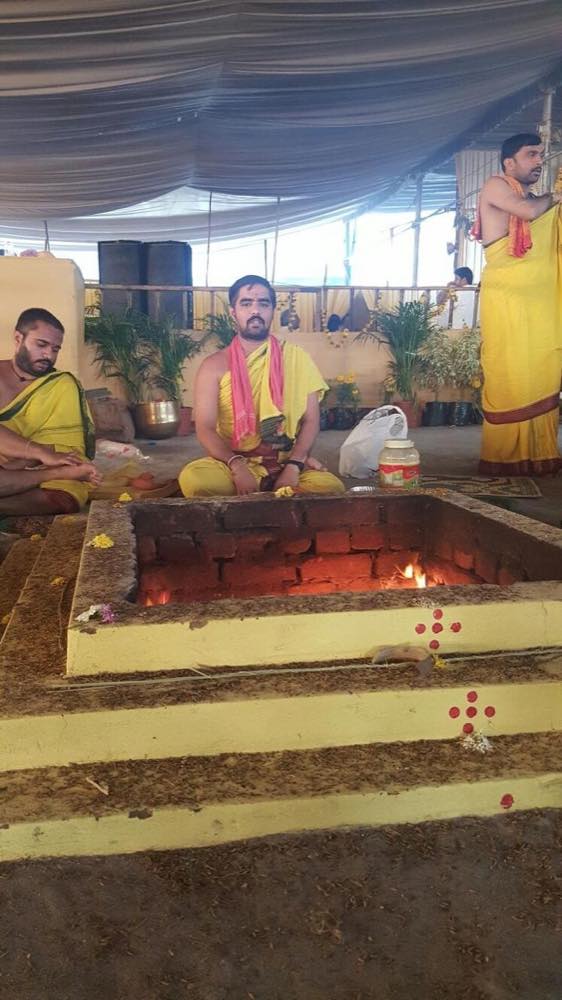
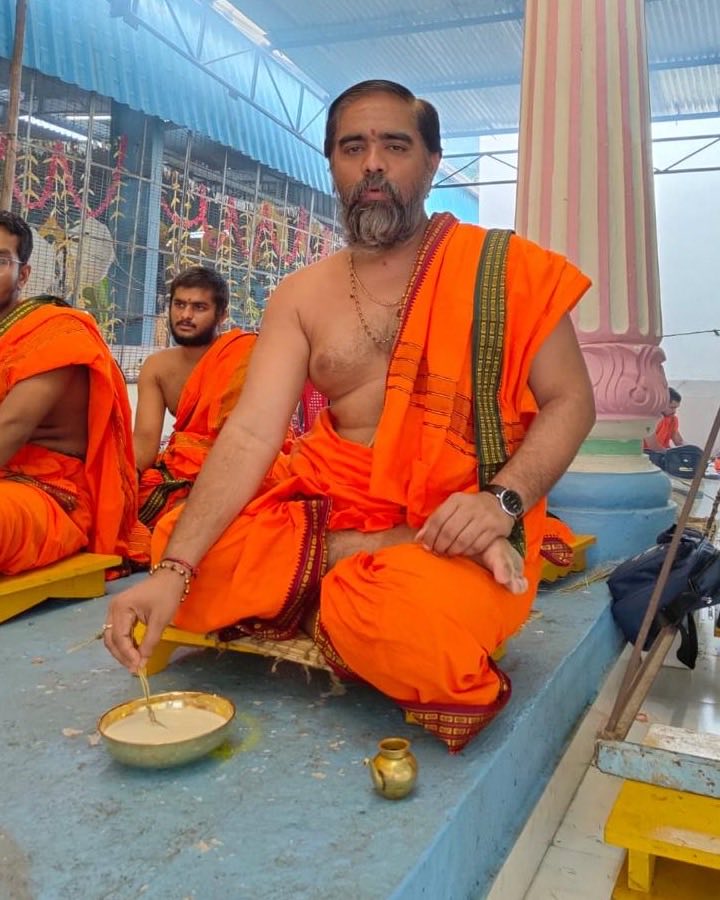
Shreedhar Sannabhadthi conducts shraddha, parihara and other poojas at Gokarna. You will know the date, the materials, the duration and the reason behind each offering well before the morning it happens.

Explanation and guidance available in Kannada, Telugu, Hindi and English.

Shreedhar Sannabhadthi
20 Years conducting rites at Gokarna
4 Languages for explanation and guidance

The Purohit

Shreedhar Sannabhadthi

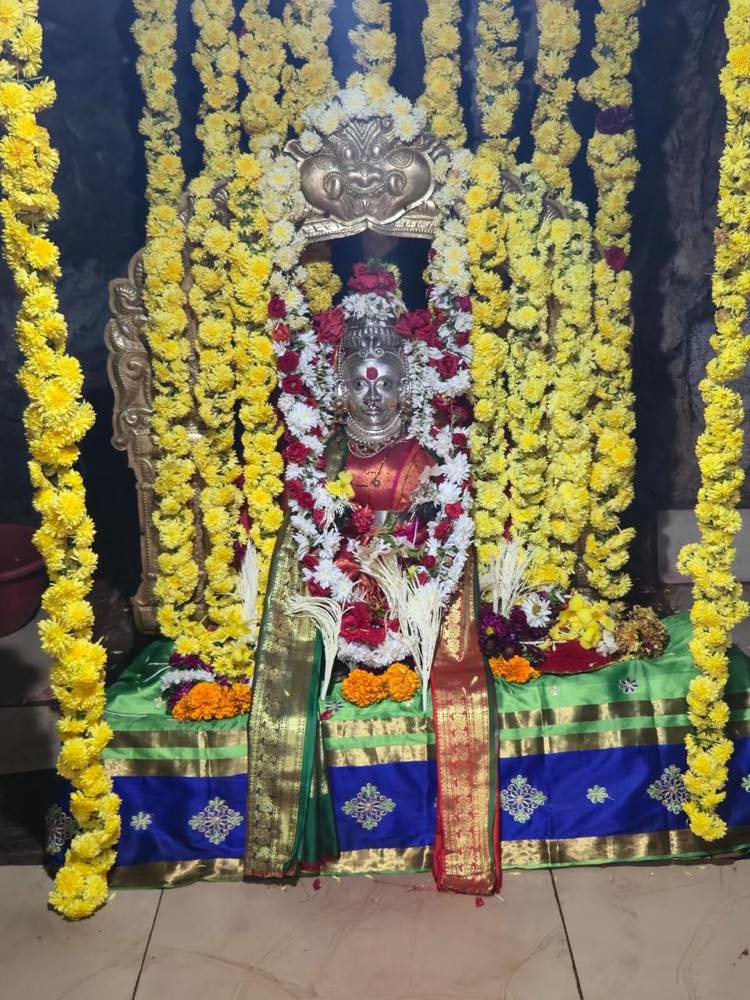
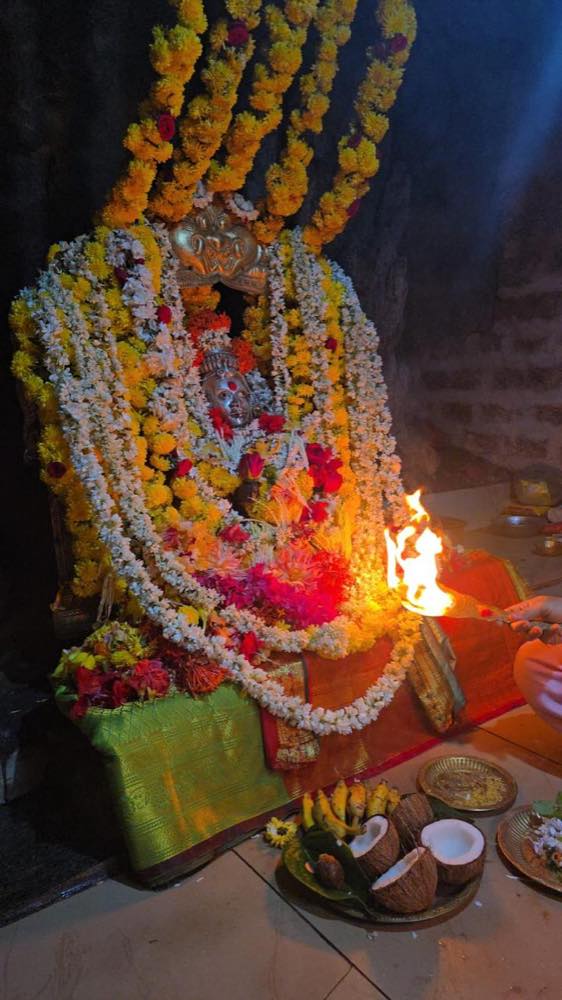
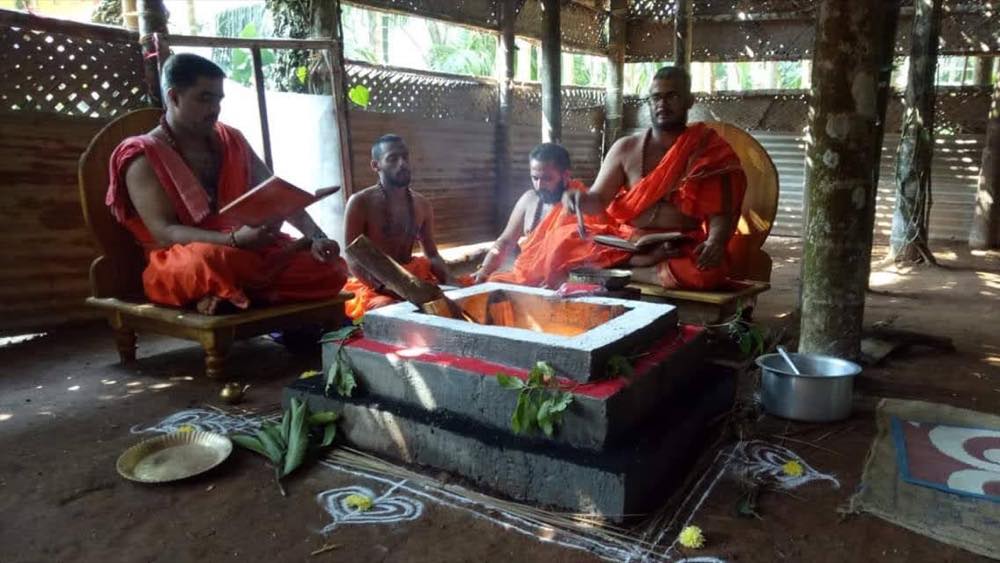
Families travel to Gokarna for rites that carry a weight here they do not carry elsewhere — the Mahabaleshwara temple, the Koti Teertha, the place where river water meets the sea. Most arrive holding little more than the name of a ceremony somebody told them to arrange.

Closing that gap is the work. Before anything is lit or offered, you get a plain account of it: why this rite rather than another, which relatives the procedure needs present, what each offering stands for, and how much of the day it will take. Families leave knowing what they did and why.

Procedure is not compressed to fit a schedule. Where a rite calls for a particular tithi, a particular teertha or a particular set of offerings, those conditions are met — or the date moves until they can be.
Poojas & Rites

Poojas conducted at Gokarna

Grouped by what the rite is for. Open any one for what it involves and who needs to attend.

Pitru Karya — rites for ancestors

Offerings made on behalf of those who have died, at the teertha each rite calls for.

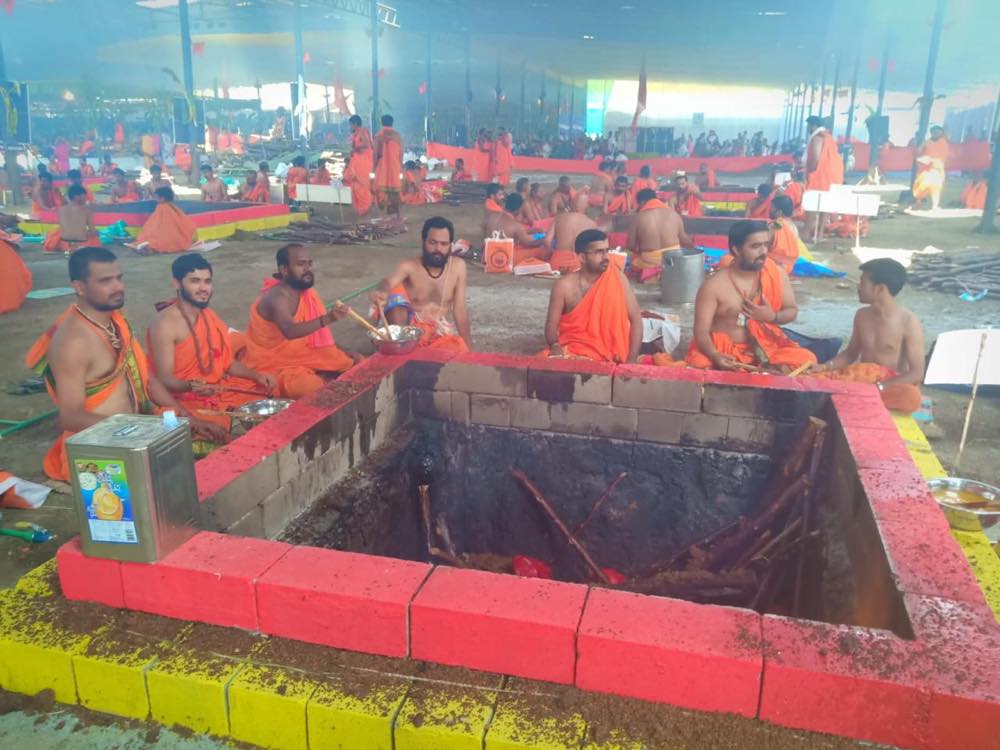
Tripindi Shraddha

For ancestors across three generations who have gone without their due rites. Runs most of a morning and needs at least one direct descendant present. This is usually the right rite when a family cannot work out which generation was missed.

Moksha Narayana Bali

For a death that came suddenly or by unnatural cause, where ordinary shraddha is held to fall short. It addresses the unsettled state of the departed rather than serving as an annual remembrance.

Thila Homa & Thila Tarpana

Sesame offerings into fire and into water. Often the fitting rite when a family wants to make an offering but no particular dosha or anniversary has been identified.

Masika & Varshika Shraddha

The monthly and yearly observances that follow a death. If you are travelling here for the date, send the tithi and the correct day gets confirmed before you book tickets.

Shanti & Parihara — remedial rites

Taken up where a horoscope reading or a pattern in the family points to an affliction needing settlement.

Pitru Dosha Parihara

Taken up where a delayed marriage, absence of children or a run of setbacks has been attributed to unsettled ancestral obligation. Bring the horoscope if one has been read for you.

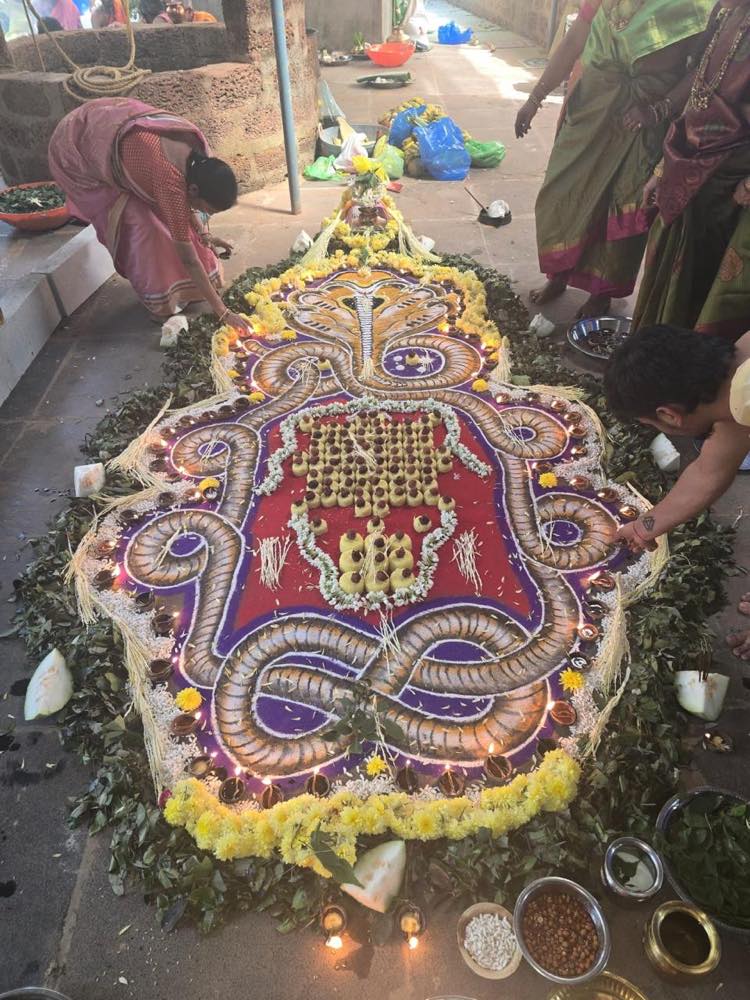
Sarpa Samskara

The rite for sarpa dosha, conducted through its full sequence rather than an abbreviated form. Needs the most advance notice of anything here — the materials take time to assemble properly.

Ashlesha Bali

A naga observance, often taken alongside Sarpa Samskara or ahead of it. You will get a straight answer on whether your situation calls for one, the other, or both.

Vratha & devotional poojas

Poojas undertaken for a stated sankalpa, or kept as a household observance.

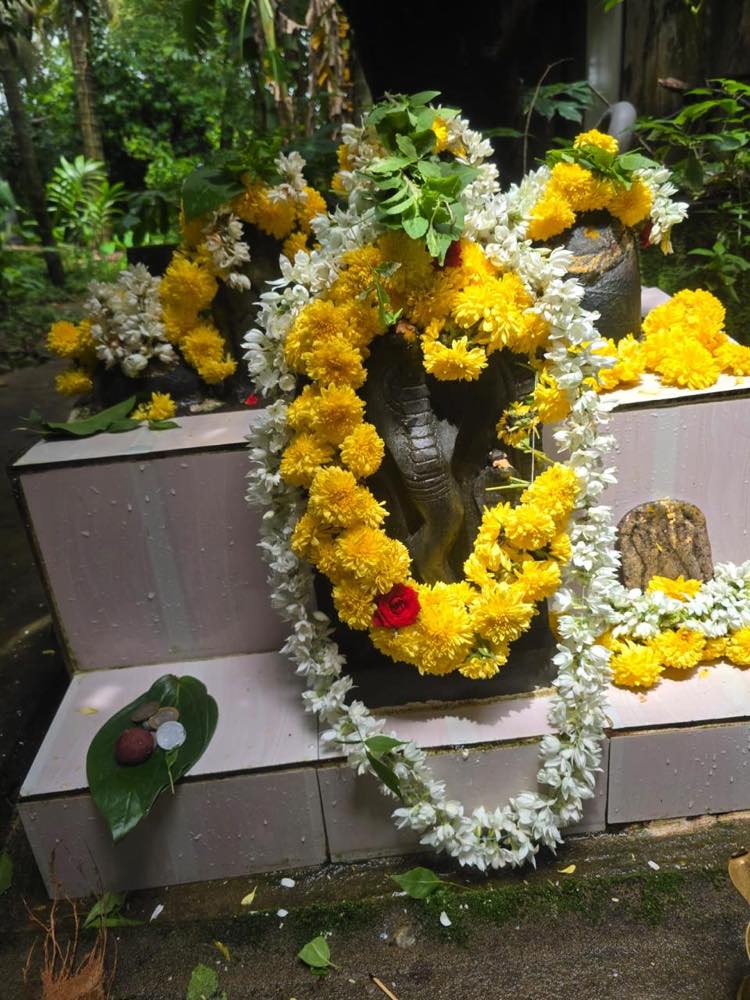
Vinayaka Shanti

Conducted ahead of a marriage or another beginning a family wants cleared of obstruction. Ordinarily arranged around the household's own dates rather than a temple calendar.

Something not listed here

Describe the situation rather than guessing at a ritual name — the rite a family needs is frequently not the one they arrive asking for. If it falls outside this practice, you will be told so and pointed somewhere appropriate.

Describe your situation

Booking

How it proceeds

  1. Tell us the situation

    Call or send a message. Describe what has happened and what you have been advised — a ritual name is not needed at this stage.

  2. The rite and the date get settled

    You get the rite that fits the circumstance, the tithi it requires, and a frank note if a different date would serve the family better.

  3. Materials and arrangements

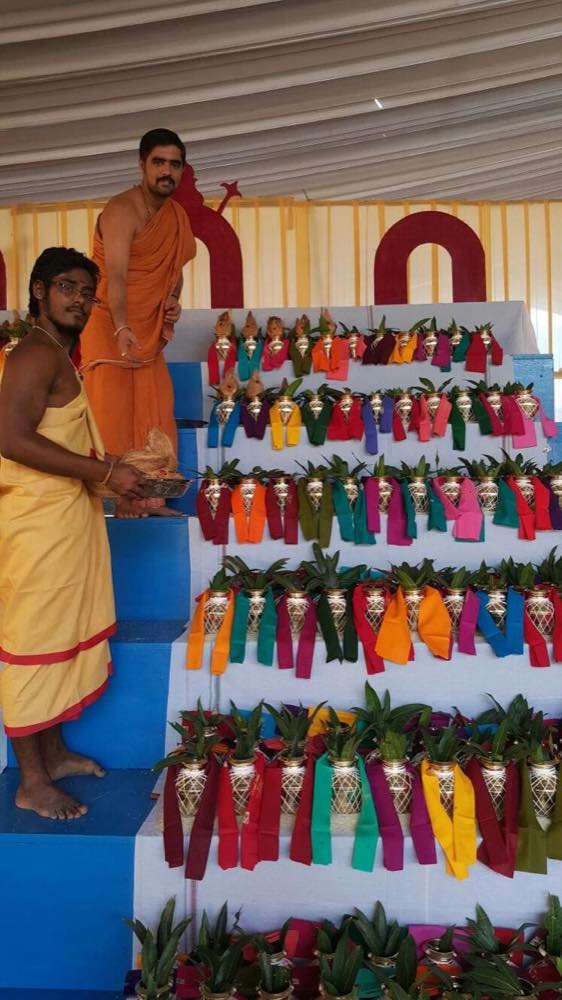
    Offerings, vessels and teertha arrangements are handled from this end. You are told what is left for you to bring, and nothing beyond it.

  4. The morning itself

    Each stage is explained as it happens. Expect to be at the teertha for as long as the rite genuinely takes — that figure is given to you in advance, not on the day.

Before You Come

What the day asks of you

Nearly everything families ask about on arrival is settled here.

Bring with you

  • Names and gotra of those the rite is for
  • A horoscope, if one has been read
  • Traditional dress, and a change of clothes for afterwards
  • Whichever relatives the procedure needs present

Arranged from this end

  • Every pooja material and vessel the rite calls for
  • Additional priests where the procedure needs more than one
  • Teertha access and the morning's timing
  • Pointers on lodging nearby, if you ask

Timing and place

  • Most rites begin early and carry into midday
  • Any fasting requirement is explained when you book
  • Duration is confirmed beforehand, not discovered on the day
  • Each rite is held at the teertha it requires, not a convenient one

Questions

Asked most often

I don't know which pooja I need.

That is the ordinary starting point, not a problem. Describe what has happened and any advice you have been given; the rite follows from that. Families regularly arrive asking for one ceremony and turn out to need a different one.

How far ahead should I book?

A week is comfortable for most rites. Sarpa Samskara and anything tied to a specific tithi need longer, because the materials and the date both constrain when it can be held.

What does it cost?

It varies with the rite, the materials it consumes and how many priests it needs. You get a figure before committing rather than afterwards, and it does not move on the day.

Can it be done without me travelling to Gokarna?

For most ancestral rites, no — the teertha is the whole reason the rite is held here. If a situation genuinely permits a remote sankalpa you will be told; it will not be claimed where it does not apply.

Who in the family needs to attend?

It depends on the rite. Some require one particular descendant, others accept any family member. You are told exactly who, with enough notice to arrange travel.

Do you conduct rites for families from outside Karnataka?

Regularly. The sequence can be explained in Kannada, Telugu, Hindi or English, whichever the family follows most easily.

Reach Us

Describe the situation and you will be told what the rite requires

A call usually settles which ceremony applies faster than messages back and forth.

Phone +91 99869 07736
Where · Gokarna, Uttara Kannada, Karnataka